
The Future of HR Starts Here
Inspiring the next generation of


Fast-track your career with The Future of HR Podcast
069
ep.
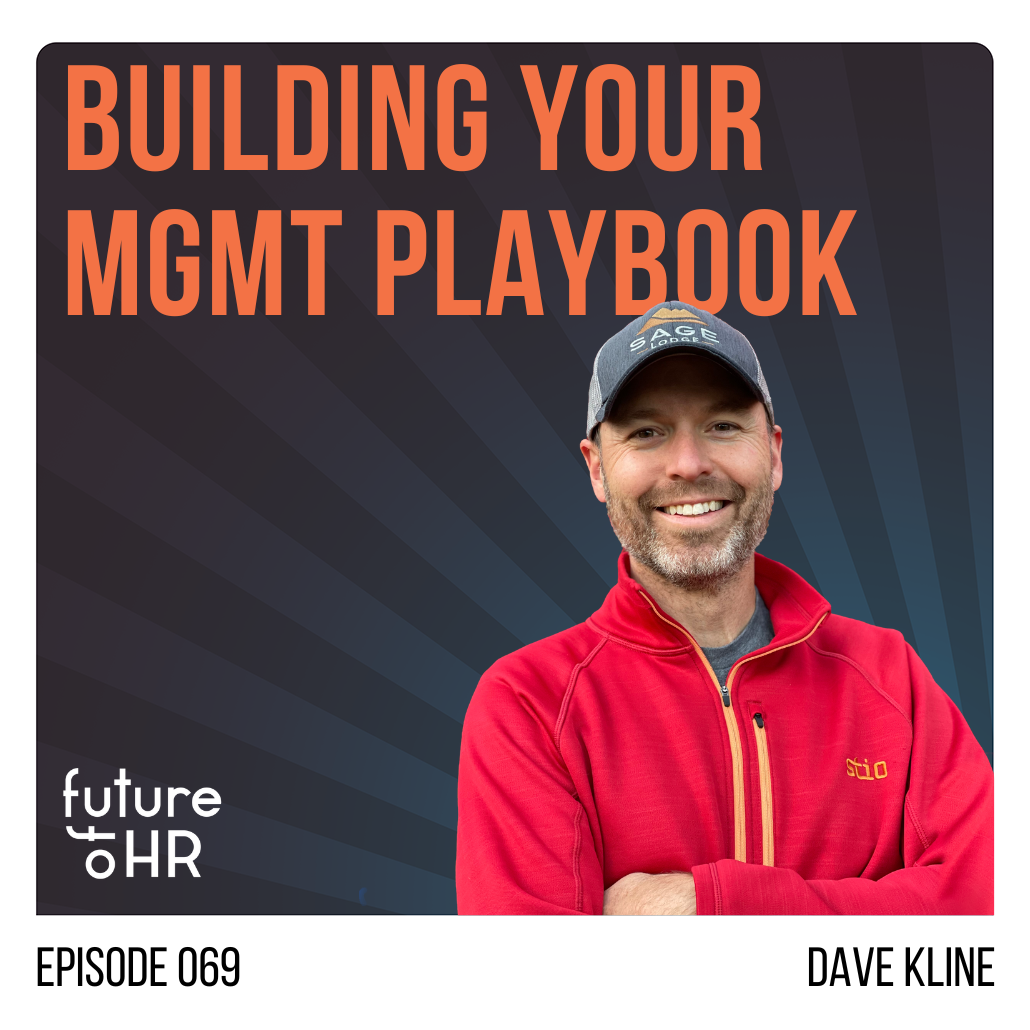
How do managers create value and impact? How do the best managers reduce friction and create capacity for their teams? My guest on this episode is with with Dave Kline who teaches leaders the codified management playbook to build great teams & level up their career During our conversation Dave and I discuss: Why he and his wife launched the management accelerator program and what makes it uniqueWhy he believes that the role of a manager is to deliver impact and why he created the impact equationWhy the best leaders focus on reducing friction and cycle time for their teamsHow new leaders can build trust with their teams by identifying and making a meaningful change on something that matters to themWhy leaders who are afraid to give feedback in the moment often drop what he calls the “synthesis bomb” and it how it negatively impacts trustThe six fears (rational and irrational) that stop leaders from delegating to their teams and how to overcome themConnecting with Dave Kline Connect with Dave Kline on LinkedIn Learn more about MGMT Accelerator on Maven Subscribe to Dave’s weekly newsletter MGMT Playbook

068
ep.
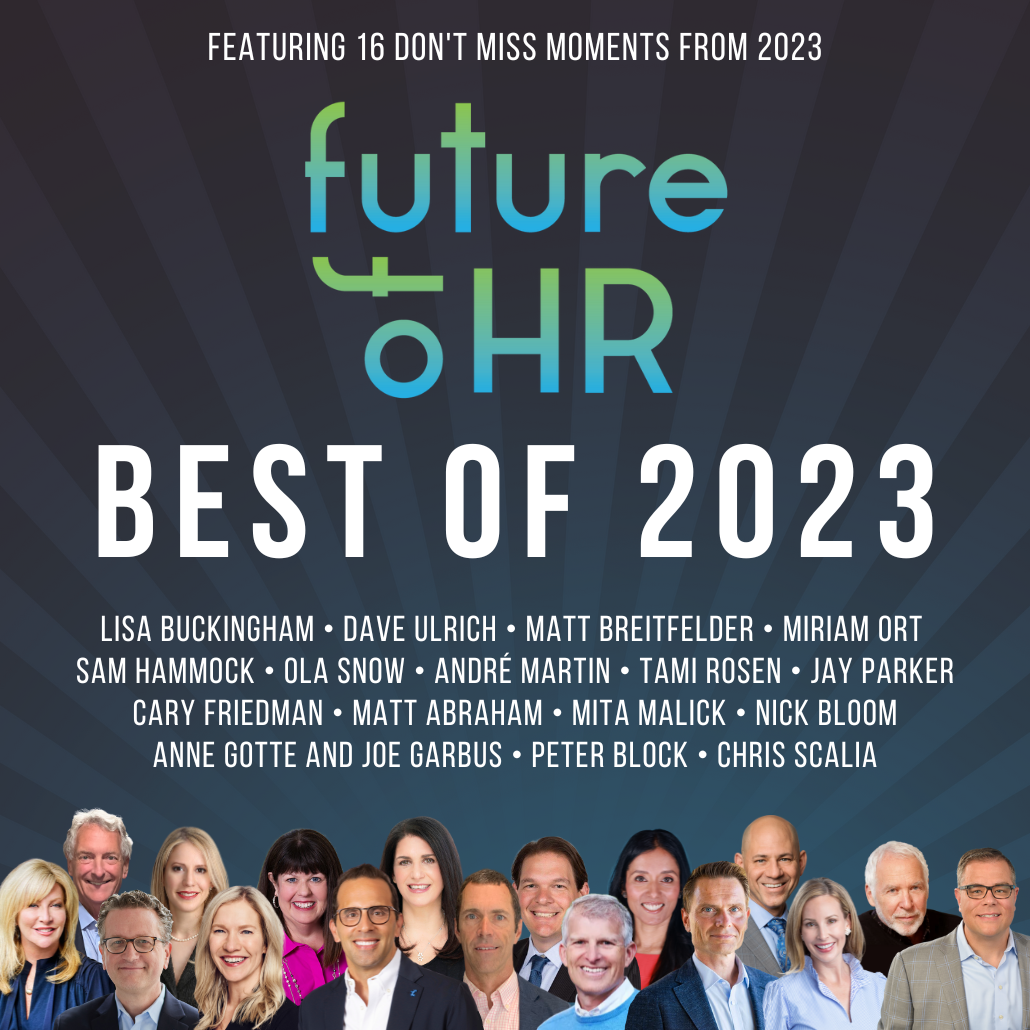
The “Best of 2023” episode features sixteen don’t miss moments from HR executives and thought leaders who… So, who can you expect to learn from on this episode? Lisa Buckingham, former Chief People, Place & Brand Officer at Lincoln Financial GroupDave Ulrich, Professor at the Ross School of Business, University of Michigan and a partner at The RBL GroupMatt Breitfelder, Head of Human Capital and Partner at Apollo Global ManagementMiriam Ort, EVP & CHRO at C&S Wholesale Grocers & SymboticSam Hammock, EVP & CHRO at VerizonOla Snow, CHRO, Cardinal HealthAndre’ Martin, PhD, Founder of Shift Space and author of “Wrong Fit, Right Fit”Tami Rosen, Chief People Officer at PagayaJay Parker, founder and CEO of Mentorforce Cary Friedman, Global Head of Human Resources at JefferiesMatt Abrahams, a leading expert in communication and author of “Think Faster, Talk Smarter”Mita Mallick, Chief Diversity Officer & Author of “Reimagine Inclusion”Nick Bloom, WFH expert & Professor of Economics at Stanford UniversityAnne Gotte, VP Global Talent, General Mills & Joe Garbus, EVP Global Head of Talent, PVH Corp.Peter Block, author of Flawless Consulting and Partner at Designed LearningChris Scalia, Chief Human Resources Officer, The Hershey Company
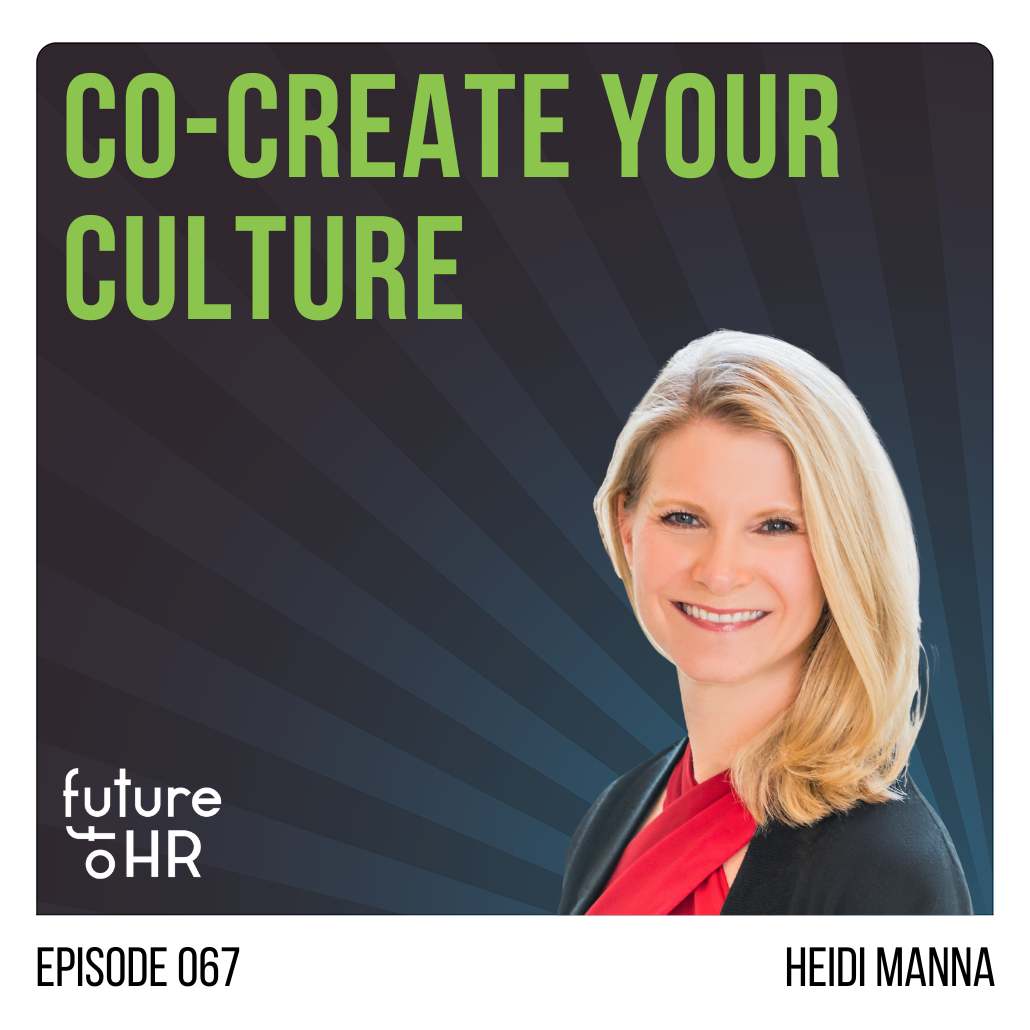
How does your “operating culture” impact your employee experience? What are the best ways to co-create your culture using data and the voice of your team members? My guest on this episode is with Heidi Manna, Chief People Officer at Jazz Pharmaceuticals During our conversation Heidi and I discuss: Her advice for candidates on how to assess in the interview if an organization values HRWhy a mentor’s direct and honest feedback was a turning point in her careerHow your “operating culture” impacts your employee experienceWhy they have relied on “principles” and team leaders judgement in developing their future work model “Jazz Remix”How data on employee preferences, commute times, and percentage of distributed teams helped inform their future work model “Jazz Remix”How she engaged and collaborated with the senior leadership to gain alignment and ownership for “Jazz Remix” Connecting with Heidi Manna Connect with Heidi Manna on LinkedIn
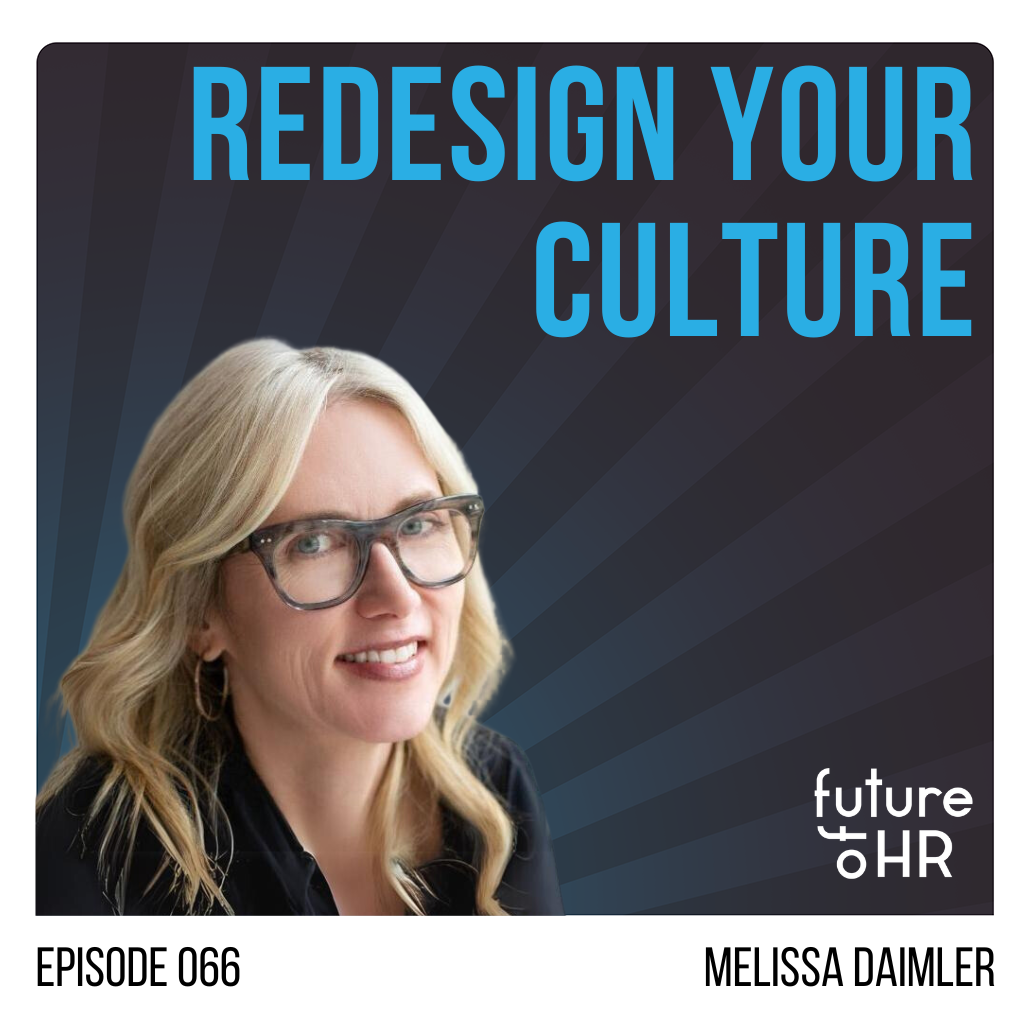
Why should all HR leaders be “systems thinkers” How are processes, practices, and behaviors the building blocks of culture change? My guest on this episode is with Melissa Daimler, Chief Learning Officer at Udemy and Author of ReCulturing: Design Your Company Culture to Connect with Strategy and Purpose for Lasting Success” During our conversation Melissa and I discuss: Why she is so passionate about building great cultures?Why “systems thinking” is so important for HR leadersWhy a shift in business strategy likely means you need to make a shift in your cultureWhy you should look for four common gaps when diagnosing cultureWhy behaviors, processes, and practices all must work together to drive culture changeWhy she believes culture change is not an HR initiative Connecting with Melissa Daimler Connect with Melissa Daimler on LinkedIn Learn more about Melissa and ReCulturing

What makes an HR leader successful in a PE backed company? What are the key differences between PE backed and public companies? My guest on this episode is with Randy Patterson, Managing Director of Human Capital, Portfolio Operations Group at Blackstone During our conversation Randy and I discuss: What early career experiences were most helpful in preparing him to become a CHROThe differences between being a CHRO at a private equity backed company versus a public companyHow he assess potential candidates experiences, capabilities and fit for the CHRO roleWhat makes a 1st time CHRO successful in a private equity backed companyHow Blackstone's innovative Career Pathways program is supporting the advancement of underrepresented talent Connecting with Randy Patterson Connect with Randy Patterson on LinkedIn Learn more about Blackstone’s Career Pathways program
064
ep.
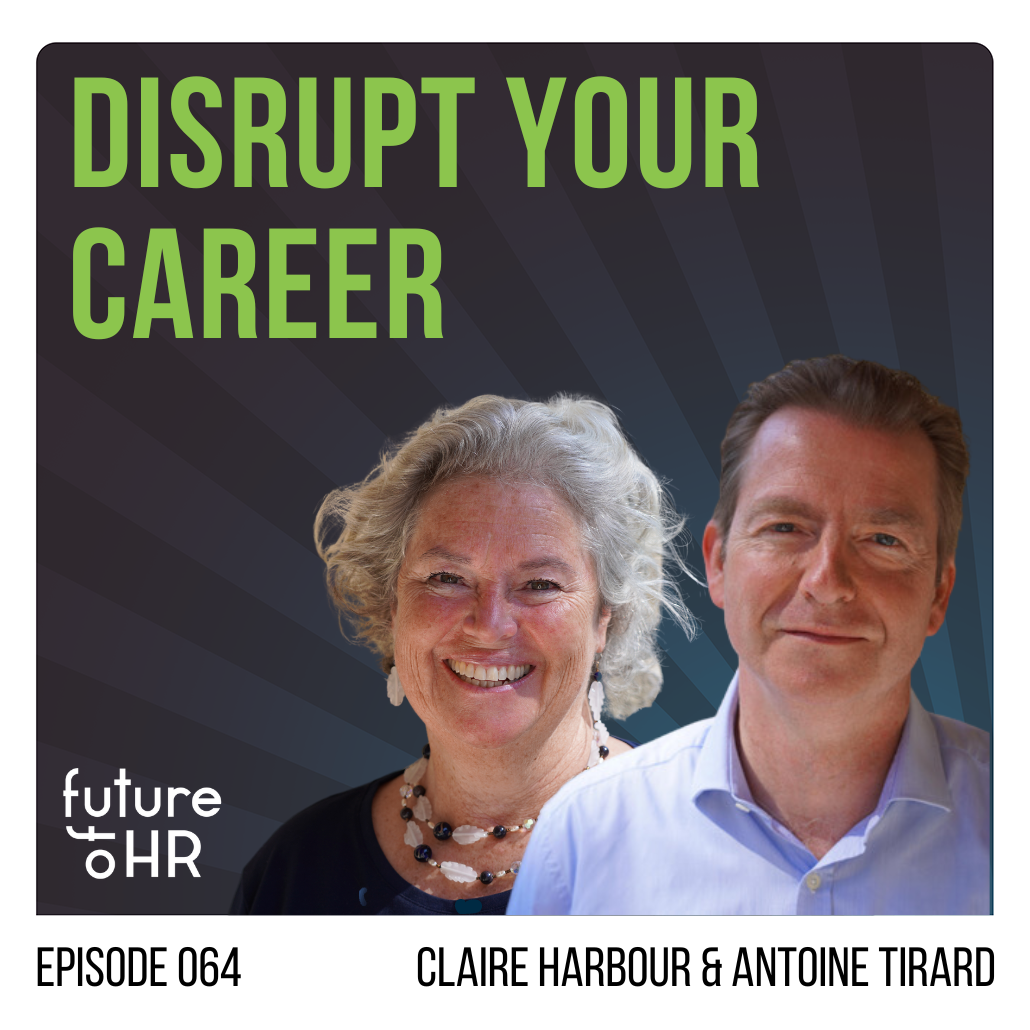
What does it mean to have “career agility” and how can you build this important skill? My guests on this episode are Antoine Tirard and Claire Harbour who co-authored the book “Disrupt Your Career: How to Navigate Uncharted Career Transitions and Thrive” and co-host their popular “Disrupt Your Career" podcast. During our conversation Antoine, Claire and I discuss: The three key trends that are driving a new career paradigmWhat they have learned in researching successful career transitionsHow to leverage their 4E career framework to find the right role for youWhy “career agility” is so important and how to build this important skillWhy career management is both an art and a science.What companies and HR can do to better support career development Connecting with Claire and Antoine Connect with Claire Harbour on LinkedIn Connect with Antoine Tirard on LinkedIn Learn more about their “Disrupt Your Career” book Listen or subscribe to their “Disrupt Your Career” podcast
063
ep.
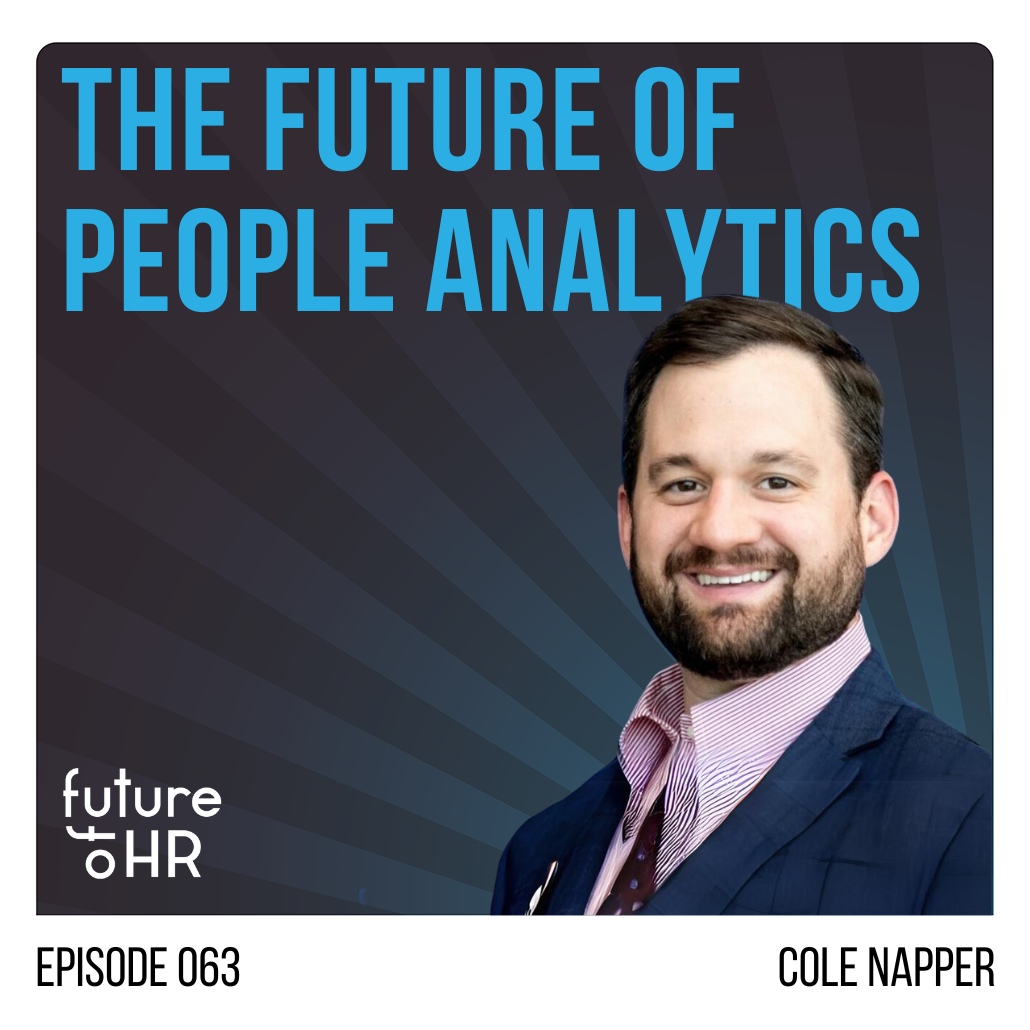
How can HR use people analytics insights to drive business results? How will AI impact not only people analytics, but HR? My guest on this episode is with Cole Napper, Vice President, People Analytics & Chief Evangelist, Orgnostic During our conversation Cole and I discuss: Why people analytics is much more than just dashboardsWhy he believes people analytics is team sportWhat “organizational network analysis” is and how it can diagnose breakdowns in collaboration and communication within teamsThe potential value and use cases of Generative AI tools in HR How AI will impact the future of people analytics Connecting with Cole Napper Connect with Cole Napper on LinkedIn Check out his podcast “Directionally Correct” or subscribe to his Substack to read his articles
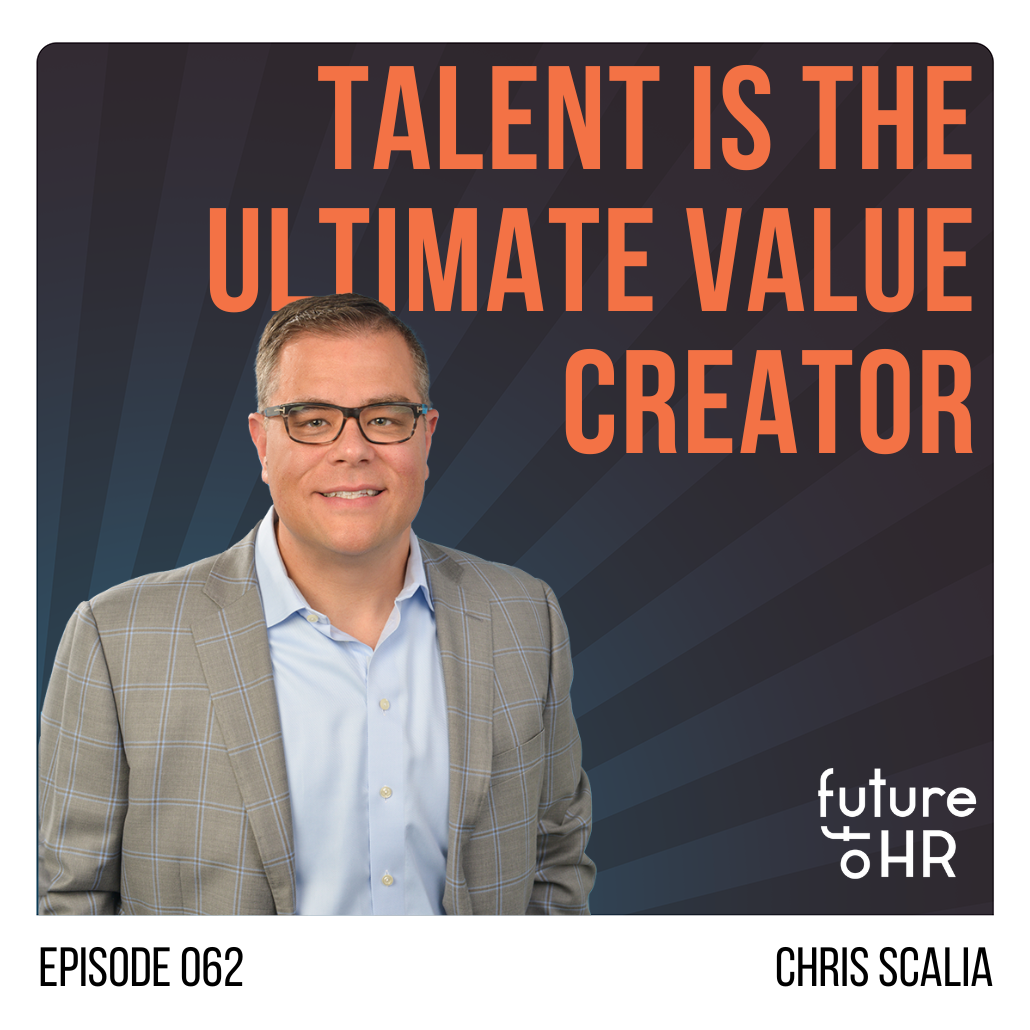
Why is talent the ultimate value creator? How can you unlock the capacity of your people and a high performance culture? My guest on this episode is Chris Scalia, Chief Human Resources Officer, The Hershey Company During our conversation Chris and I discuss: Why he believes talent is the ultimate value creator Why it is important that your organization have a strategic narrative that drives clarity and purpose for your workforceWhy the most effective employee listening capabilities give team members a direct voice in shaping strategies and how the business operatesWhy he believes every high performing team is composed of visionaries, pragmatists, and geeksWhy he believes a strong employee value proposition can build trust, increase organizational agility and foster inclusion.His advice for future CHROs on how to be successful in the role Connecting with Chris Scalia Connect with Chris Scalia on LinkedIn Learn more about the Milton Hershey School
061
ep.
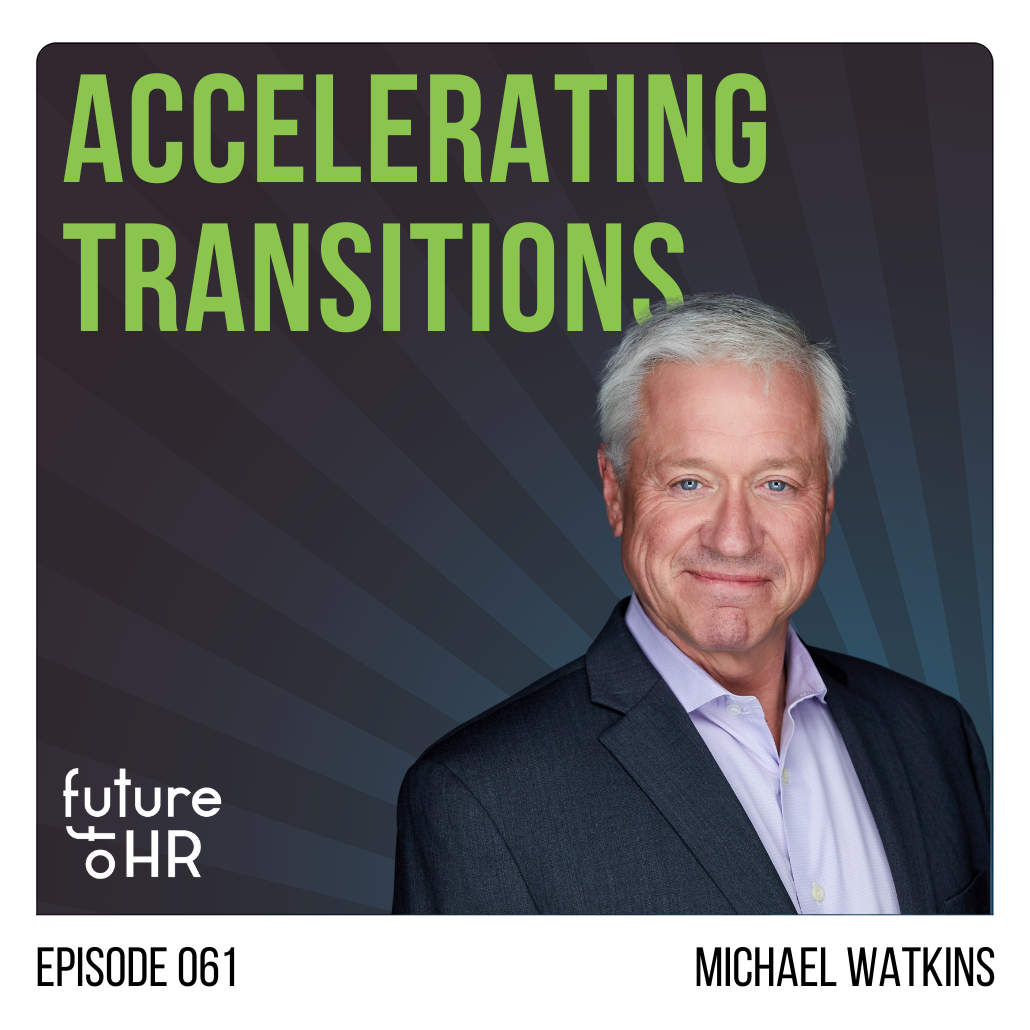
Why is it important that all new leaders have a learning plan to help them navigate and onboard successfully? What is HR’s role in accelerating the successful transition of new leaders into their organization?My guest on this episode is Michael Watkins, Leadership Transition Expert and Best-Selling Author of “The First 90 Days” During our conversation Michael and I discuss:How organizations can accelerate the transition of new leaders into their roles How remote and hybrid work has impacted leadership transitionsWhy it is critical that new leaders come in with a “learning plan” and how to create oneWhy he believes “integration” is more important than “orientation”Why organization’s need to be more clear on who owns leadership transitionsWhy he believes that people can develop “strategic thinking” skillsConnecting with Michael WatkinsConnect with Michael Watkins on LinkedInLearn more about Michael’s consulting company, Genesis
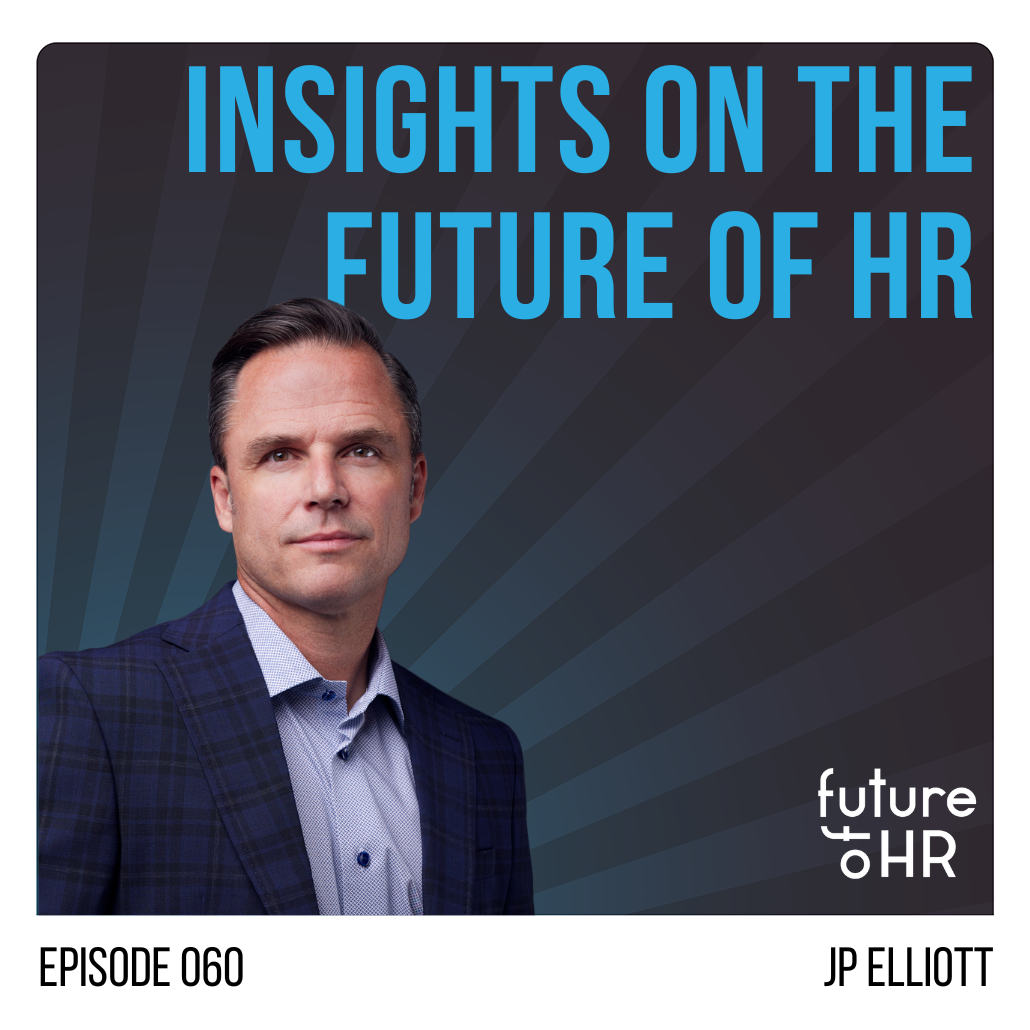
In this episode, we flip the script as I am become the guest and I turn over the hosting duties to two past guests, Mel Steinbach, Chief People Officer at MasterClass and Justin Hirsch, CEO and HR Executive Search Lead at JobPlex, a DHR company.During our conversation Mel, Justin and I discuss:Why differentiating your skills, a variety of experiences, and building deep relationships are critical to career successHow and why I started the Future of HR podcastWhat I have learned after interviewing over 50+ HR leaders and experts in our fieldHow CEOs can better leverage their HR leadersThe key phrase that I believe will define the Future of HRConnecting with JP Elliott Connect with JP Elliott on LinkedIn
Listen on your favorite podcast app















Future of HR © 2025
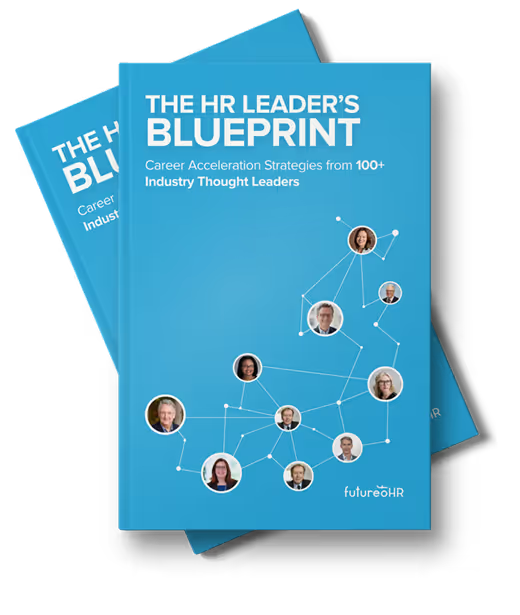
The HR Leader’s Blueprint
Fast track your HR leadership journey
18 pages of real-world advice from 100+ HR thought leaders.
This guide delivers exactly what you need to know about building influence, driving business results, and accelerating your HR leadership career.
