
The Future of HR Starts Here
Inspiring the next generation of


Fast-track your career with The Future of HR Podcast
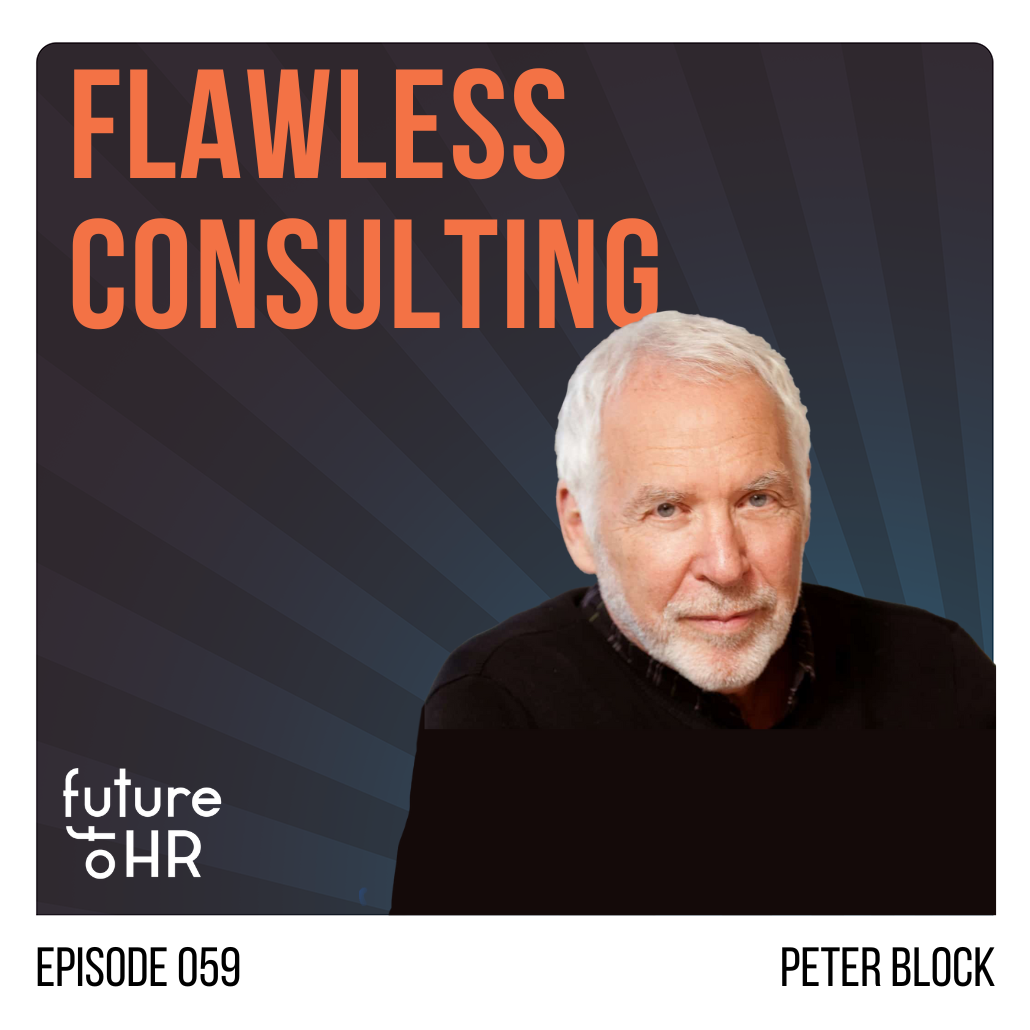
How can you build an authentic and trusting relationship with your business leaders? Why is it important that we see our role as helping our leaders live out their own intentions?My guest on this episode is Peter Block, author of Flawless Consulting and Partner at Designed LearningDuring our conversation with Peter and I discuss:Why relationships are the delivery systems of how work gets doneHow decisions are often driven by relationships, emotions, and other factors rather than rational thinking Why he believes the feedback is overratedWhy is critical that HR speaks authentically and addresses what is happening in the momentHow HR leaders can handle resistance and why overcoming it is about uncovering a leader’s doubts, not providing more evidenceWhy asking your key stakeholders, “what about our relationship do you find valuable” is one of the most effective ways to builds trustWhy HR needs to stop waiting for a seat at the table and become the tableConnecting with Peter Block Connect with Peter Block on LinkedInLearn more about Peter and his workLearn more about Designed Learning

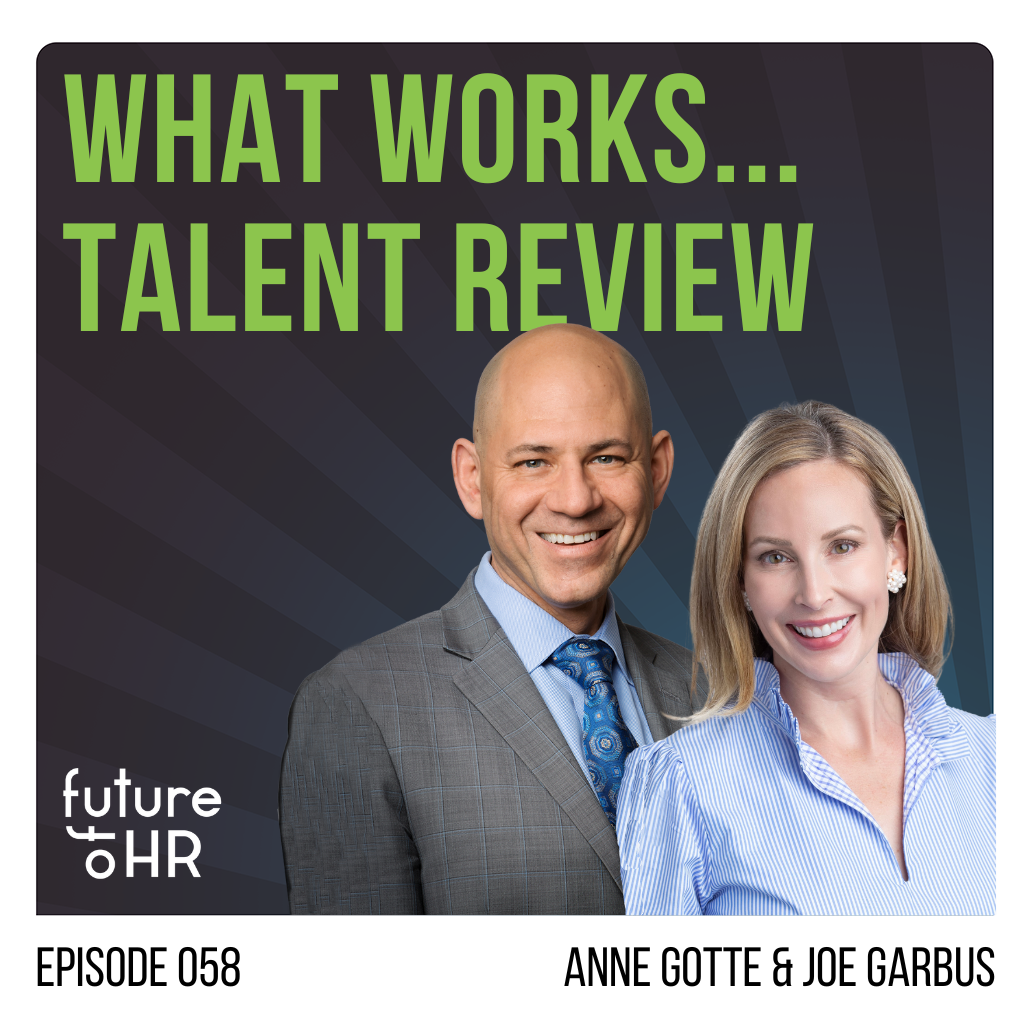
058
ep.
What makes a Talent Review successful? Why is it important that your talent review be “action oriented” and deliver outcomes for the business My guest on this episode is Anne Gotte, VP Global Talent, General Mills & Joe Garbus, EVP Global Head of Talent, PVH Corp. During our conversation Anne, Joe, and I discuss: Why your talent review needs to be “smart and simple” and how to do itWhy you should think of talent reviews as a diagnostic and planning toolWhy talent reviews should focus on development, not just assessing performance and potentialWhy establishing consistent and shared definitions for evaluating and differentiating talent is critical to a successful talent reviewWhy the best talent reviews are “action-orientated” and result in tangible plans, outcomes, and progress.Connecting with Anne & Joe: Connect with Anne Gotte & Joe Garbus on LinkedIn
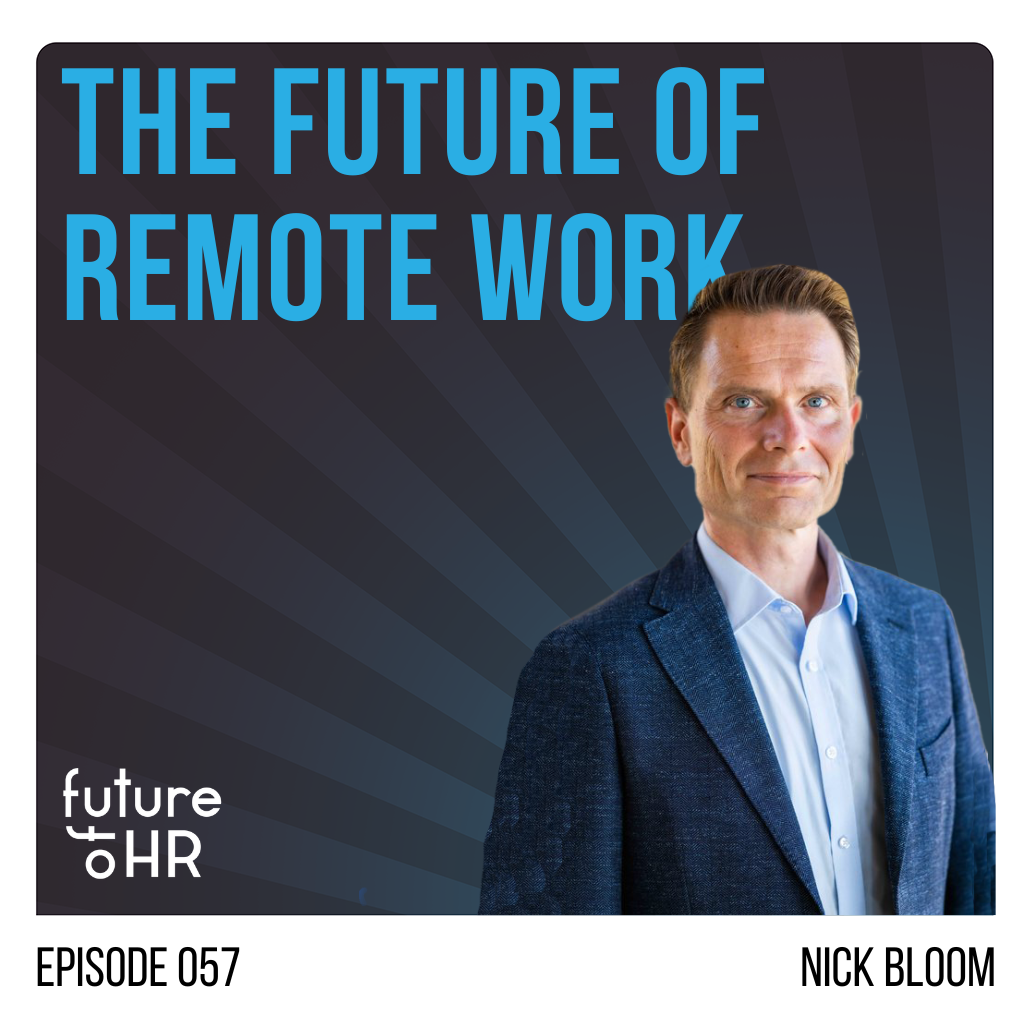
057
ep.
How can you best design and optimize your remote or hybrid work practices to increase productivity, collaboration and culture? My guest on this episode is Nick Bloom, WFH expert & Professor of Economics at Stanford UniversityDuring our conversation Nick and I discuss: How he became the expert on “Working From Home” researchThe real reason “work from home” has increased over the past few years (hint: it is not just the pandemic)Why people working from home are more likely to log hours at night or on the weekendsWhat the research really says about productivity and “remote / hybrid work”Why organized hybrid work schedules are becoming more popularWhy he believes a strong performance management system is critical to successful hybrid/remote work workplacesWhy he believes work from home will increase like a Nike swoosh over the next ten yearsConnecting with Nick: Connect with Nick Bloom on LinkedIn
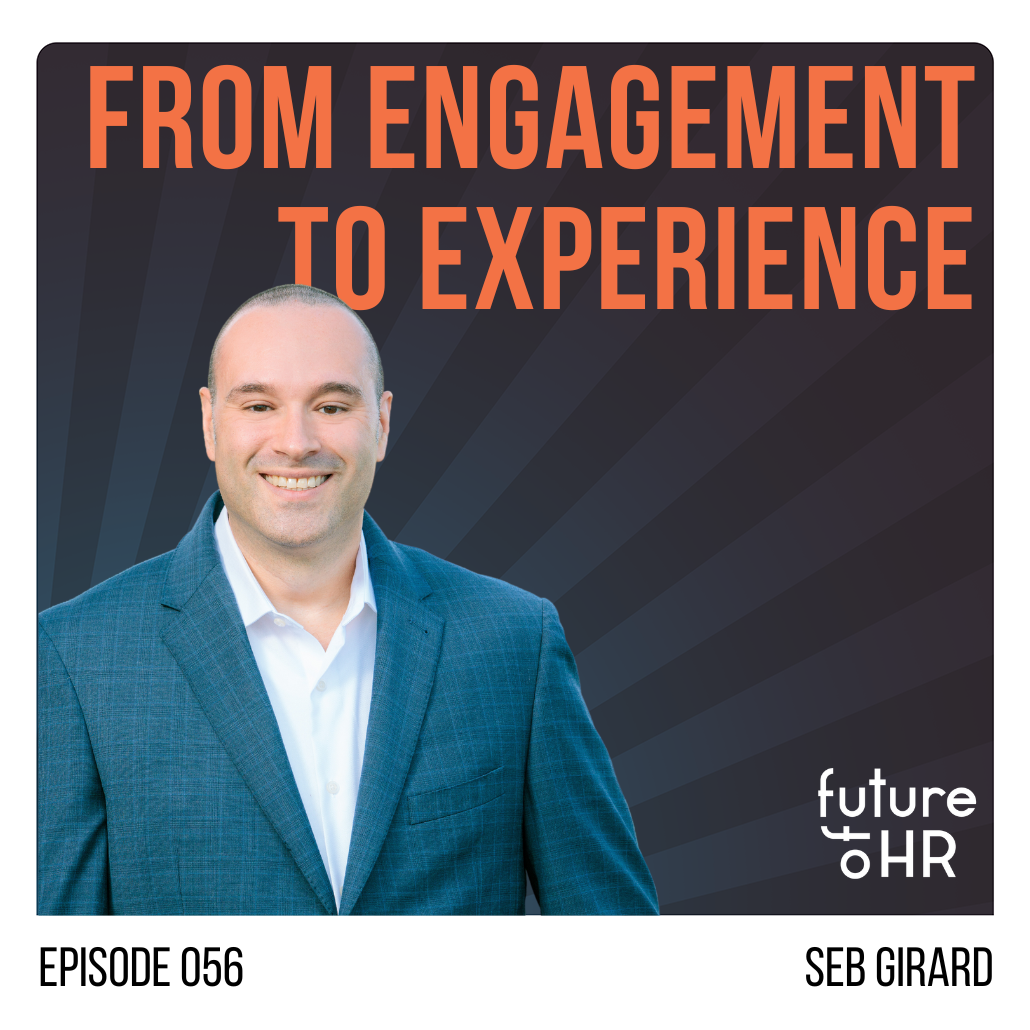
How can you shift your leaders mindset from employee engagement to employee experience?My guest on this episode is with Seb Girard, SVP, Chief People Officer at CommonSpirit Health CO/KS/UT Division.During our conversation Seb and I discuss: How he made a mid career transition from operations to HRThe workforce trends that are impacting healthcare organizations Why he believes that increasing productivity through technology is an imperative in the healthcare industryWhy asking “how does this make someone feel” is the key to creating great employee experiencesHow talent acquisition drives the employee experience and can increase retentionConnecting with Seb: Connect with Seb Girard on LinkedIn
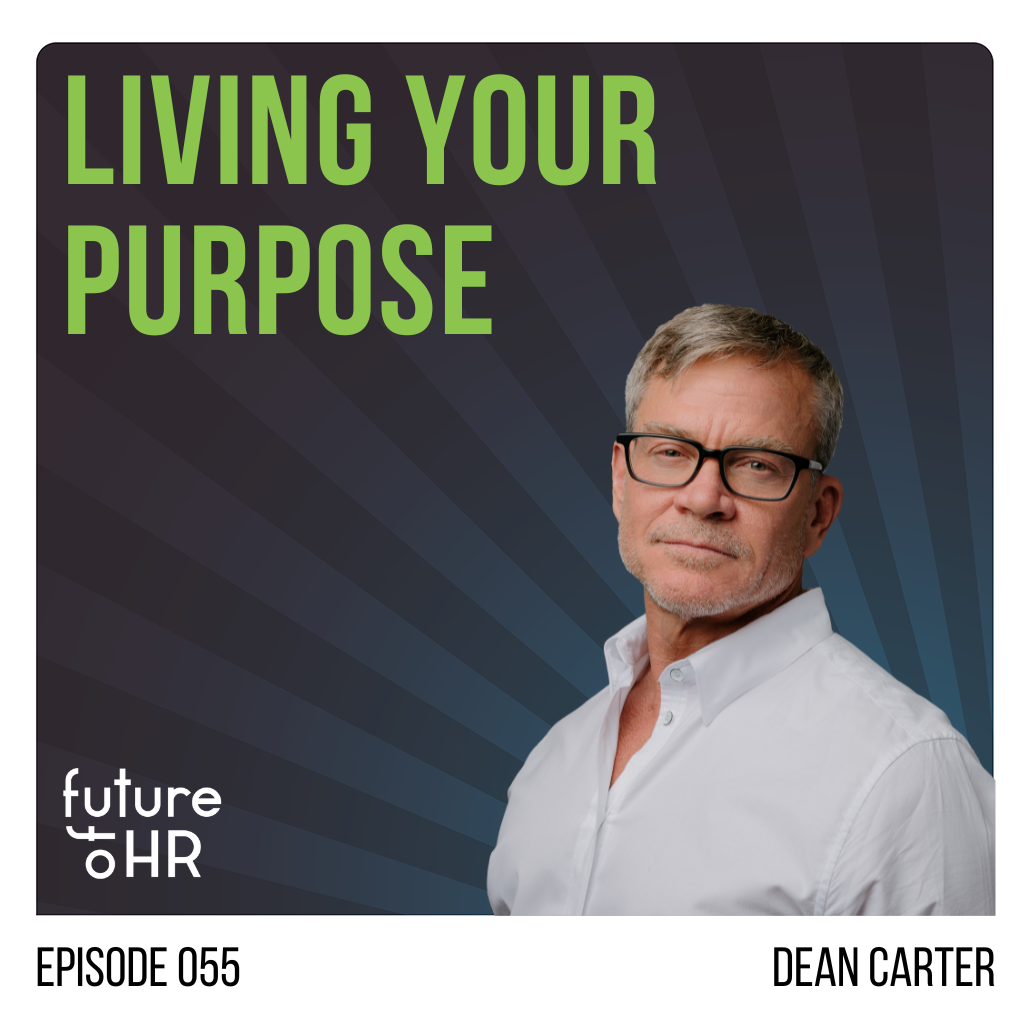
Are you clear on your purpose? How can you align your career with your values, passion, and purpose? My guest on this episode is with Dean Carter, Chief People and Purpose Officer, Guild During our conversation Dean and I discuss: How he found his passion and purpose to be an HR leaderWhat he learned about leadership, culture and a purpose during his time as Patagonia’s Global Head of People, Culture, and Shared Services?Why he believes you should identify what makes your culture unique and go after it in a big wayWhy did he add “Purpose” to his Chief People Officer title at Guild?How he used “first design principles” to redesign the roles with his HR organization at GuildWhy he launched a community for CHRO’s called “CHRO Compass”His advice for CHROs who aspire to be on an organization’s board of directorsConnecting with Dean: Connect with Dean Carter on LinkedIn Learn more about Guild’s CHRO Compass
054
ep.
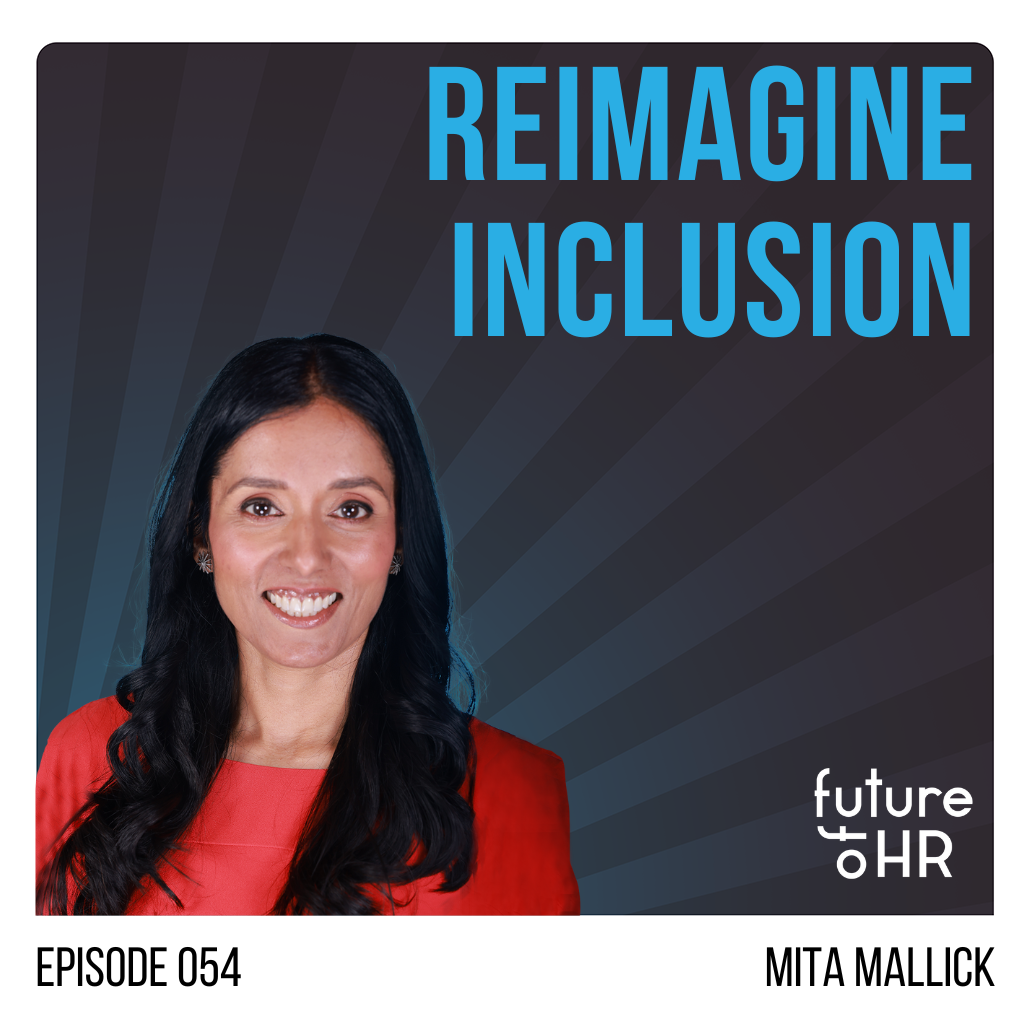
How can HR foster a diverse and inclusive culture of belonging?What common myths or beliefs are holding us back from transforming our workplaces? My guest on this episode is with Mita Mallick, Chief Diversity Officer, Top LinkedIn voice, Podcast Host, & Author of “Reimagine Inclusion: Debunking 13 Myths to Transform Your Workplace”During our conversation Mita and I discuss: Why she felt early in her career that she was chasing inclusionWhy organizations must work to debunk 13 common myths about diversity, equity, inclusion, and belongingHow to engage and respond to a leader who says, “I am all for diverse talent as long as they are good”Why she believes the best way to change the stereotypes in our heads is to expand our social circlesWhy we should be reimagining the role and impact that Chief Diversity Officers can have on an organizationThe questions a Chief Diversity Officer should ask the CEO before accepting a job offerConnecting with Mita: Connect with Mita Mallick on LinkedInLearn more about “Reimagine Inclusion: Debunking 13 Myths to Transform Your Workplace”
053
ep.
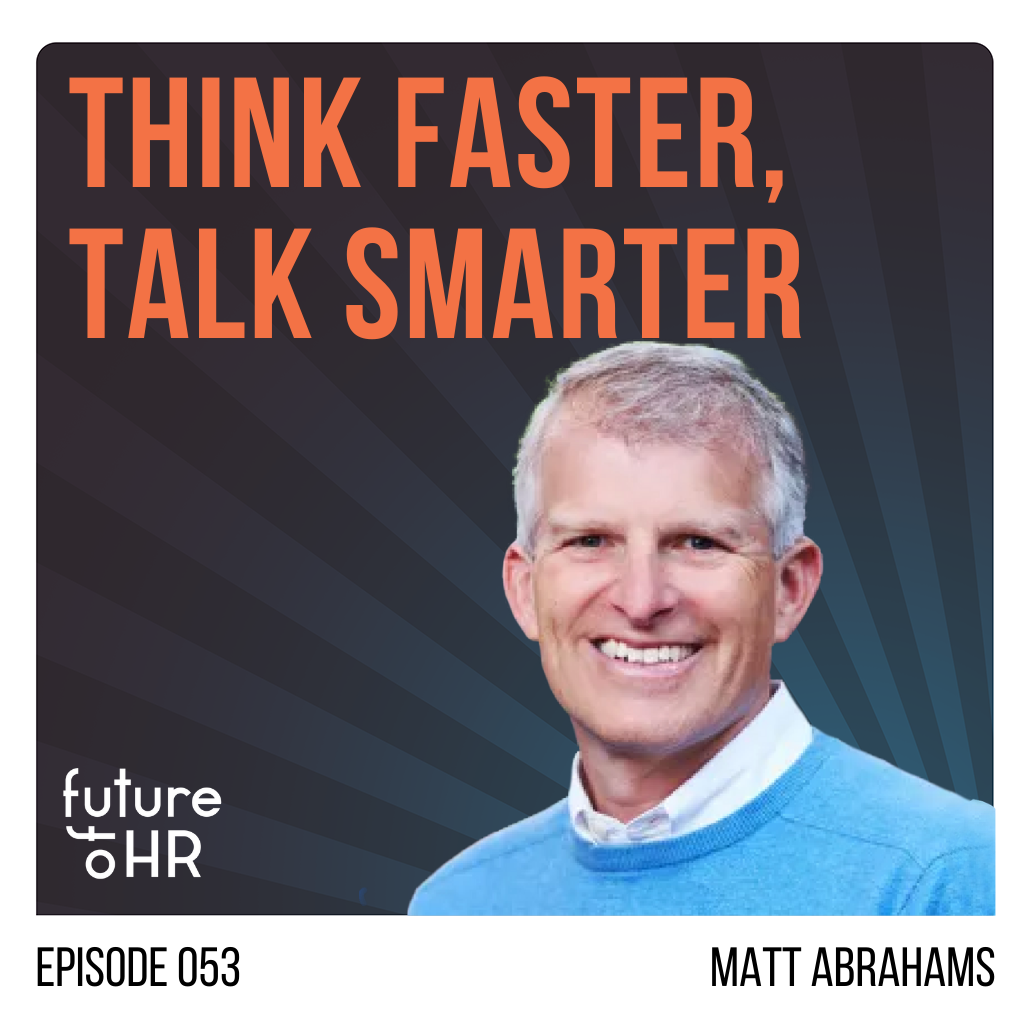
What makes someone a great “on the spot” communicator?How can using simple communications structures make you more persuasive, clear, and compellingMy guest on this episode is with Matt Abrahams, a Stanford lecturer on strategic communications, host of the popular “Think Fast, Talk Smart” podcast, and author of his latest book, “Think Faster, Talk Smarter: How to Speak Successfully When You’re Put on the Spot”During our conversation Matt and I discuss: Why he believes learning spontaneous communication is like playing a team sportWhy you should strive for mediocrity not perfection in your communicationsHis two-step approach to overcoming your anxiety when you are asked to speakHow to structure your spontaneous communications so they are clear, concise, and compelling.Why he views feedback as an invitation to problem solveHow to give better feedback using his four I’s feedback model Connecting with Matt: Connect with Matt Abrahams on LinkedInLearn more about “Think Faster, Talk Smarter” and all of Matt’s work here
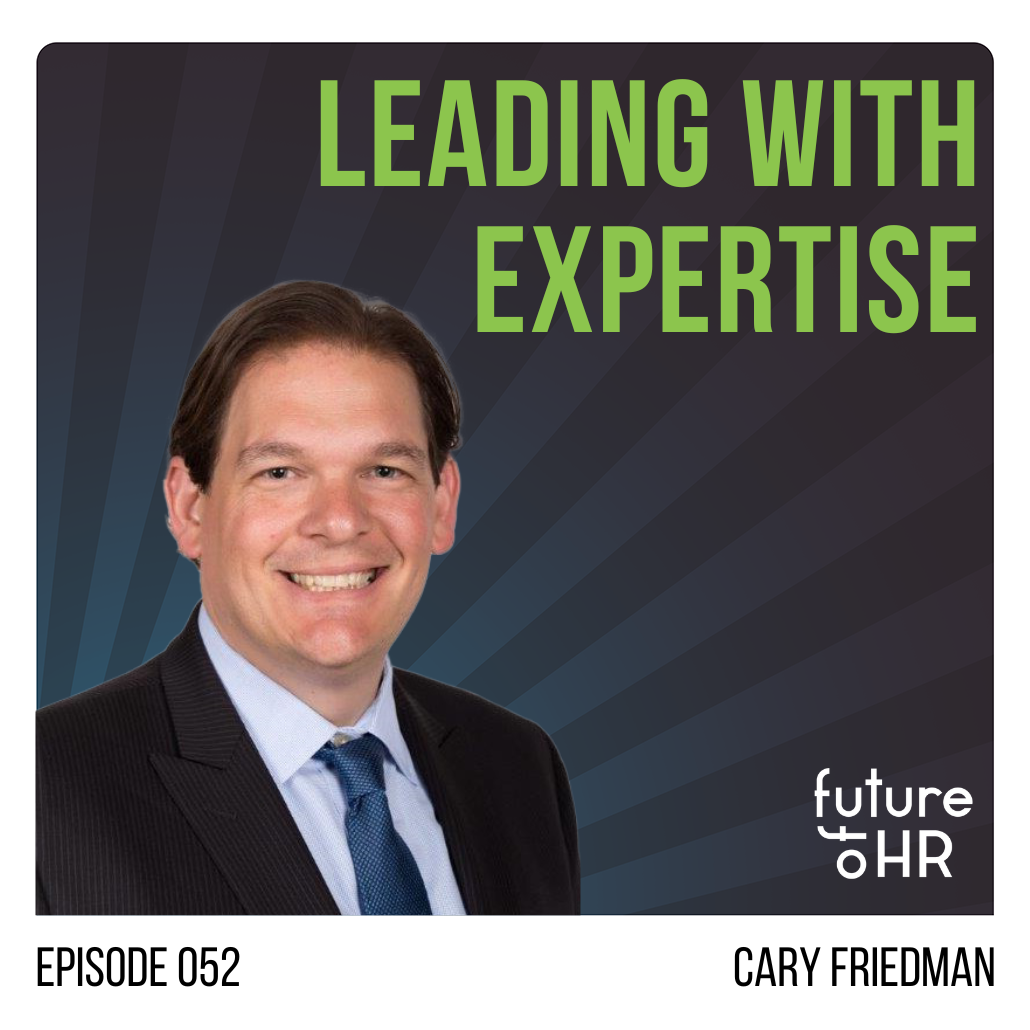
Why is it important for HR leaders to have an area of expertise? How can leading with expertise increase your impact and accelerate your career?My guest on this episode is with Cary Friedman, Global Head of Human Resources at Jefferies.During our conversation Cary and I discuss: How developing his expertise in executive coaching accelerated his careerWhat he learned from being part of the team that established the Pine Street Leadership Group at Goldman SachsHis key learnings as he transitioned into a CHRO role at JefferiesHis advice for early career HR professionals on how to be a success and stand out from the crowdWhy he believes organizations must invest in developing their people’s skills for the future
051
ep.
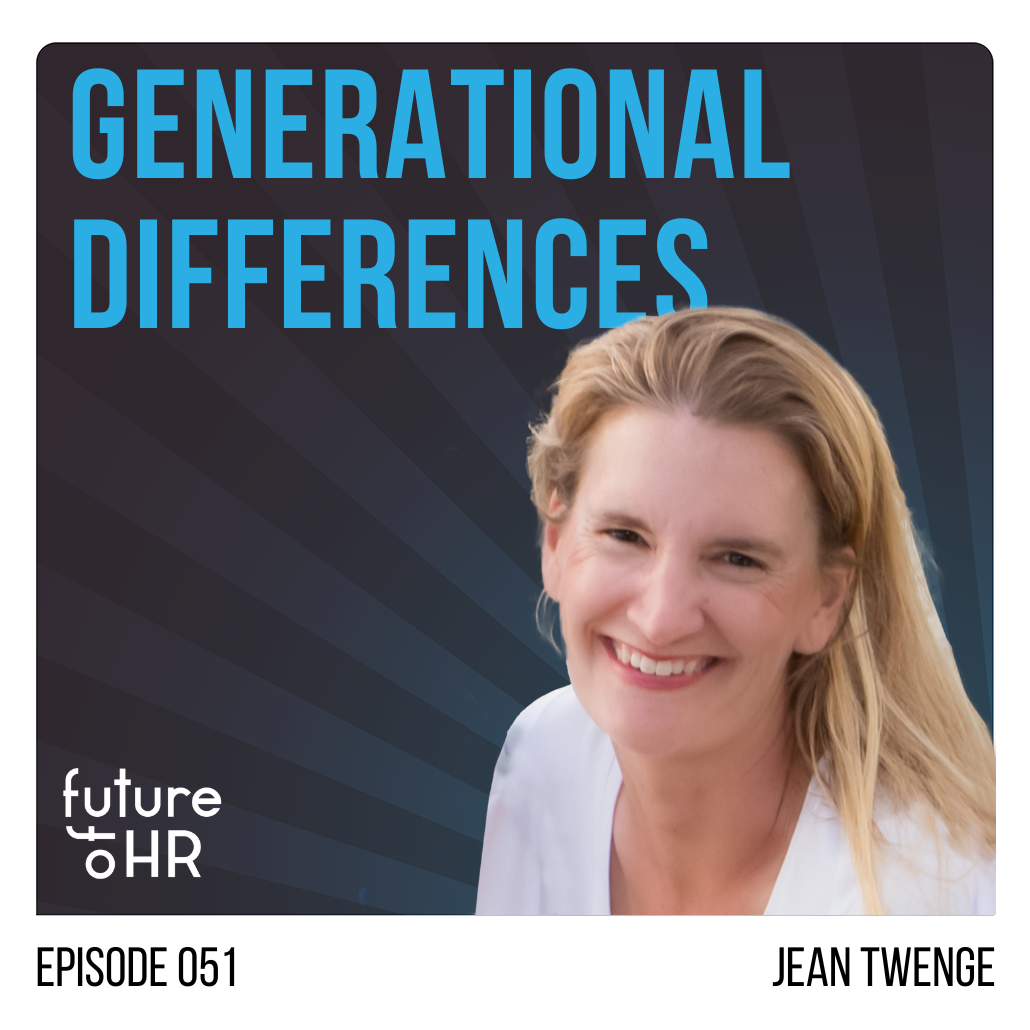
What is fact and what is fiction when it comes to generational differences?How do generational differences impact how we communicate and collaborate? My guest on this episode is Jean Twenge, Professor San Diego State University and author of Generations The Real Differences between Gen Z, Millennials, Gen X, Boomers and Silents and What they Mean for America’s Future.During our conversation Jean and I discuss: Why technology changes over time are the biggest driver of generational differencesWhat makes Gen Z different from other generations and what they want out of workWhy today’s young adults are taking longer than ever before to achieve adult milestonesHow millennials entering the C-Suite are changing our organizations and how we workWhy Gen Z values mental health and will expect organizations to value this as wellConnecting with Jean: Connect with Jean Twenge on LinkedInLearn more about Jean’s work and researchLearn more about Generations The Real Differences between Gen Z, Millennials, Gen X, Boomers and Silents and What they Mean for America’s Future.
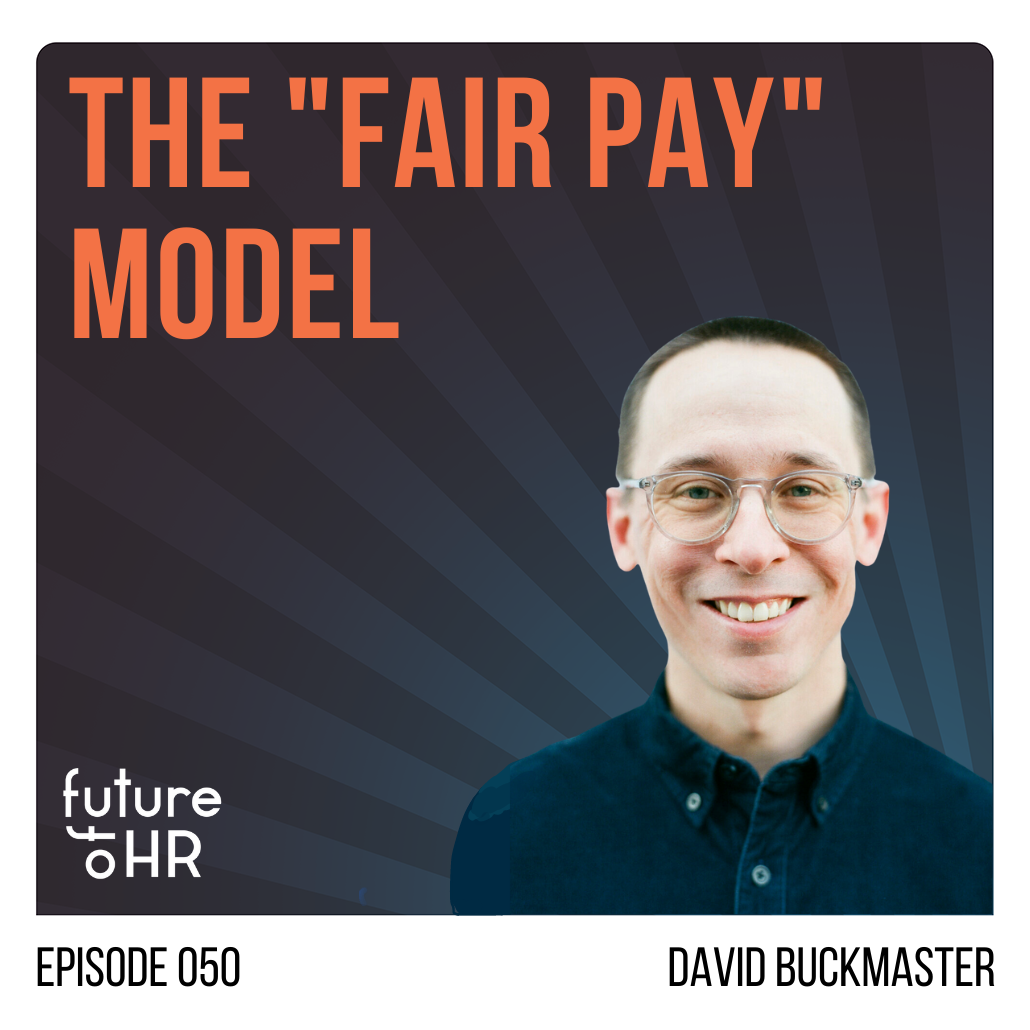
Why is so important that your organization has a “Fair Pay” model?How can HR leaders lean into compensation design and execution?My guest on this episode is David Buckmaster, Total Rewards leader and author of “Fair Pay: How to Get a Raise, Close the Wage Gap, and Build Stronger Businesses”During our conversation David and I discuss: Why he wishes more HR leaders would question if their current bonus plan is worth itWhy he believes that the more transparent a company is about pay, the more formulaic their pay model tends to becomeThe four elements of his “Fair Pay” model and how you can apply it in your organizationHis tips for negotiating a pay increase or a new job offerWhy he believes it is not a good idea to share your salary expectations with a recruiterConnecting with David: Connect with David Buckmaster on LinkedInLearn more about “Fair Pay: How to Get a Raise, Close the Wage Gap, and Build Stronger Businesses”
Listen on your favorite podcast app









Future of HR © 2025
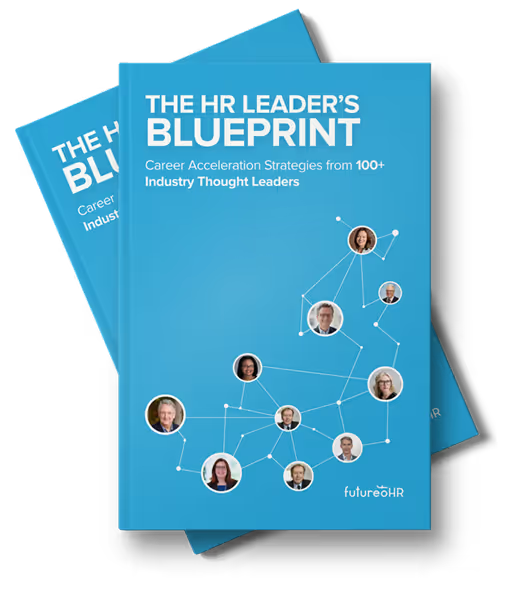
The HR Leader’s Blueprint
Fast track your HR leadership journey
18 pages of real-world advice from 100+ HR thought leaders.
This guide delivers exactly what you need to know about building influence, driving business results, and accelerating your HR leadership career.
